Mahapadma Nanda: The Founder of Nanda Empire in India
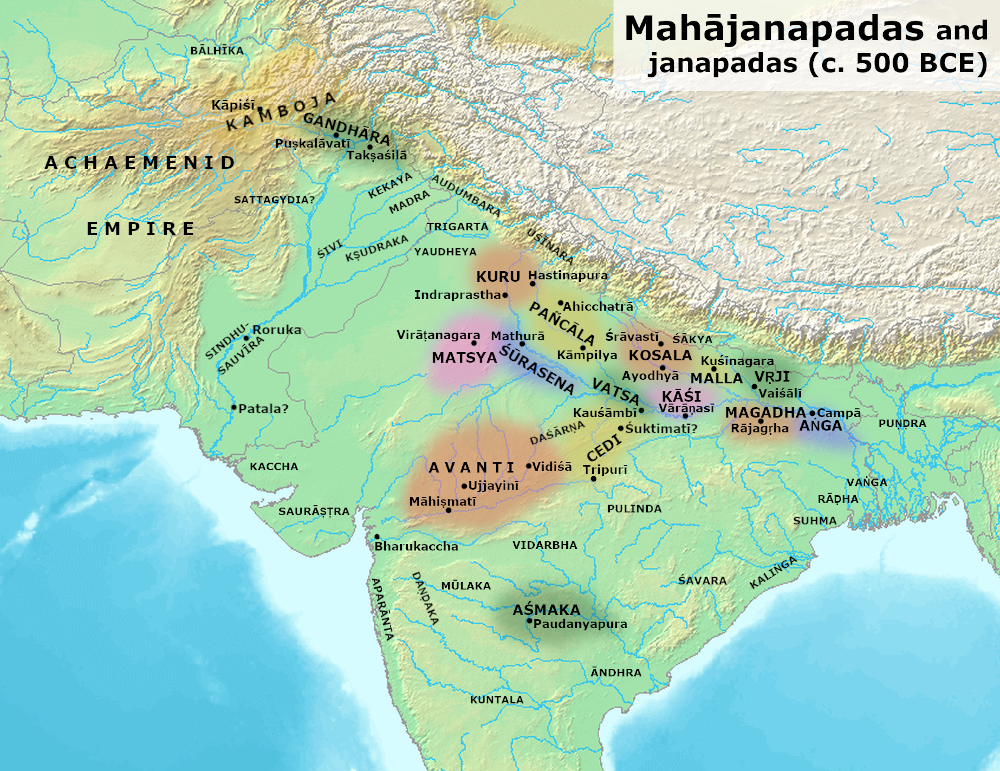
The year was 413 BCE. At that time, India was divided into many Janapadas (kingdoms), and one of them was Magadha, which was ruled by the Haryanka Dynasty. The ruler of the Haryanka Dynasty was King Nagadashaka, who ruled for 24 years. However, the people refused to accept Nagadashaka as their king any longer. Instead, his minister Shishunaga was made the new ruler. Thus, Shishunaga ended the Haryanka Dynasty and founded the Shishunaga Dynasty. After Shishunaga, his son Kalashoka became the next king of the Shishunaga Dynasty. Following Kalashoka, his ten sons ruled the dynasty one after another, among whom one was Nandivardhana. The last ruler of the Shishunaga Dynasty was Mahanandin, who was killed by his own son Mahapadma Nanda. After this, the Shishunaga Dynasty came to an end, and Mahapadma Nanda founded a new dynasty — one that gave birth to India’s most powerful and first great empire: the Nanda Empire.
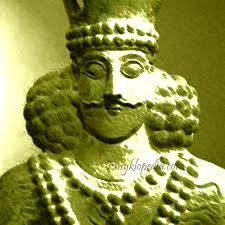
Mahapadma Nanda
There isn’t much definite information about the birth of Mahapadma Nanda, but many historians tell different stories about his origin. Some say that Mahapadma Nanda was the son of the last king of the Shishunaga Dynasty and a Shudra woman, while others believe that he was the son of a barber of low origin, who killed the last king of the Shishunaga Dynasty and became the new ruler of Magadha. However, one thing is clear — Mahapadma Nanda ended the Shishunaga Dynasty and founded a new dynasty known as the Nanda Dynasty. Mahapadma Nanda ruled from 345 BCE to 329 BCE and created a vast empire in India known as the Nanda Empire. He was considered a military genius, who defeated many powerful Kshatriya dynasties and expanded the borders of the Nanda Empire as far as Kashmir, Punjab, and Sindh. He also established a unified and centralized monarchy across northern India.
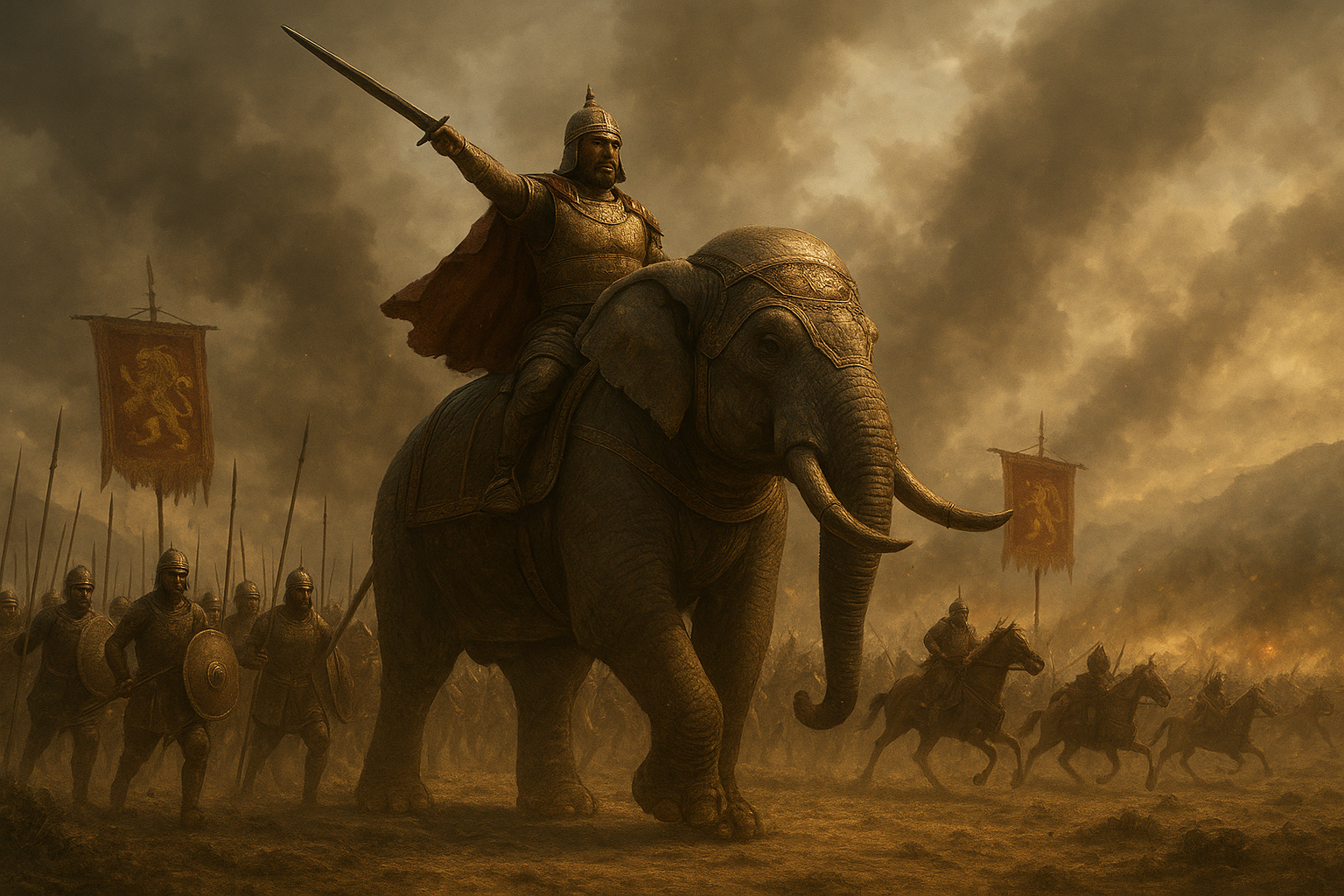
As we know, Mahapadma Nanda was a military genius. He launched wars against many independent kingdoms and successfully conquered them all. Mahapadma Nanda adopted the policies of diplomacy and military expansion similar to those of Bimbisara and Ajatashatru, but he was even more successful than both of them. He defeated many powerful kingdoms such as the Ikshvakus, Panchalas, Kaseyas, Haihayas, Kalinga, Asmakas, Kurus, Maithilas, Sursenas, and Vitihotras, thereby expanding the boundaries of the Nanda Empire across the entire northern region and parts of southern India. Because of his brilliant military tactics and victories over various Kshatriya kingdoms, historians gave him the title “Destroyer of All Kshatriyas.” According to classical writers, the Nanda Empire’s army was one of the most powerful and well-organized fighting forces of its time. This shows how mighty the Nanda Empire was during Mahapadma Nanda’s rule, and even later during the reign of Dhanananda. However, the Nanda Empire was not only a military superpower — it was also an economic superpower, known for its immense wealth and prosperity.
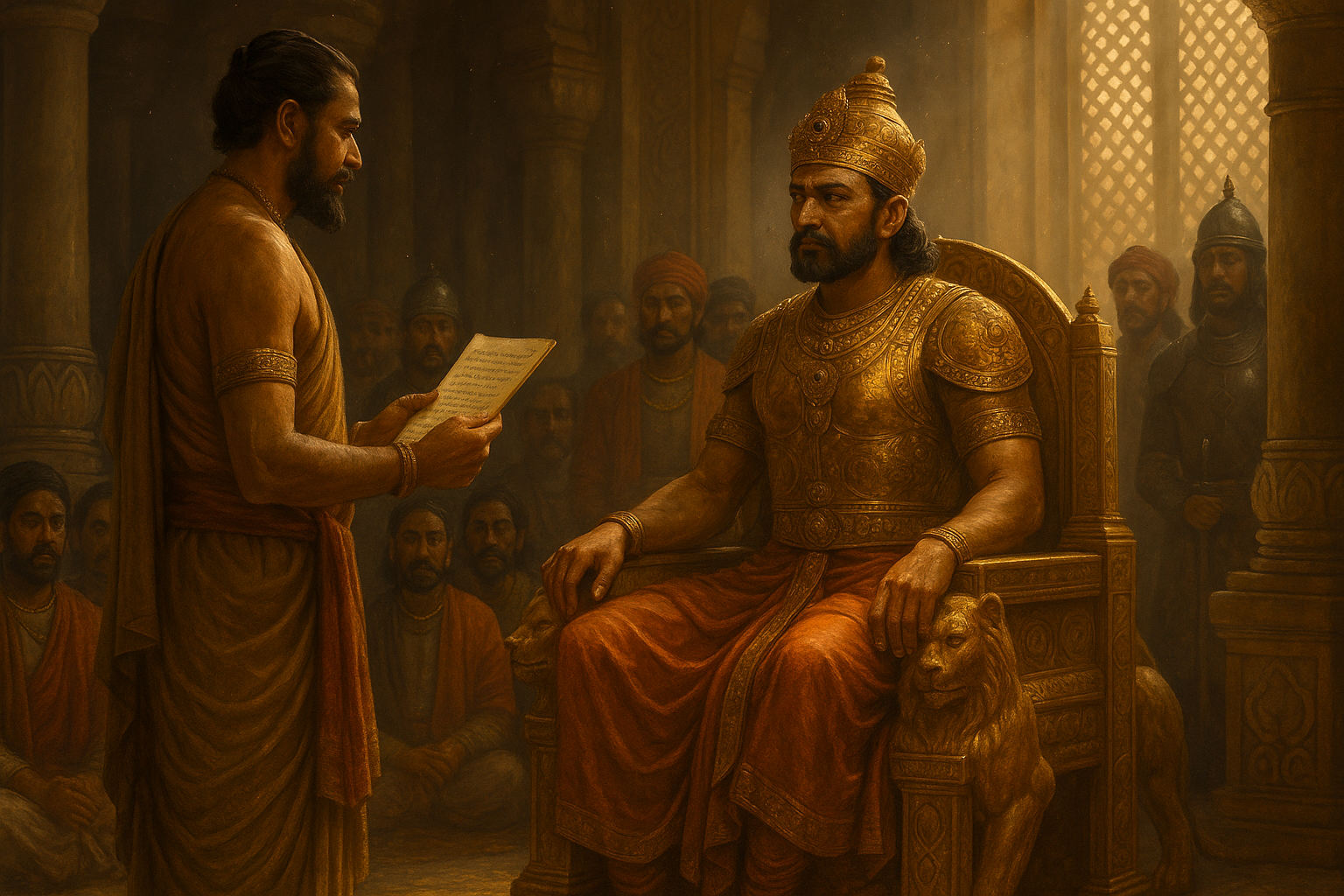
The Nanda Empire was not only a military superpower but also an economic superpower. A perfect example of this is Pataliputra, the capital city of the Nanda Empire, which was prosperous in wealth and knowledge during their reign. Under the rule of the Nandas, a new currency system was introduced, along with punch-marked coins, which became an important part of trade and economy. The regions under the Nanda Empire’s control were highly flourishing and fertile, with skilled agriculturists contributing to the empire’s economic strength. People living outside the core regions of the Nanda Empire enjoyed a considerable amount of autonomy, meaning they had the freedom to make their own decisions in local matters. The ministerial offices in the Nanda administration were hereditary, which meant that if a minister died, his position was passed on to his son. One of Mahapadma Nanda’s ministers, named Kalpaka, advised him to adopt an aggressive expansionist policy, which helped in the empire’s vast territorial growth. However, no matter how powerful a king or how large his army might be, every ruler must eventually face death — the ultimate truth of life.
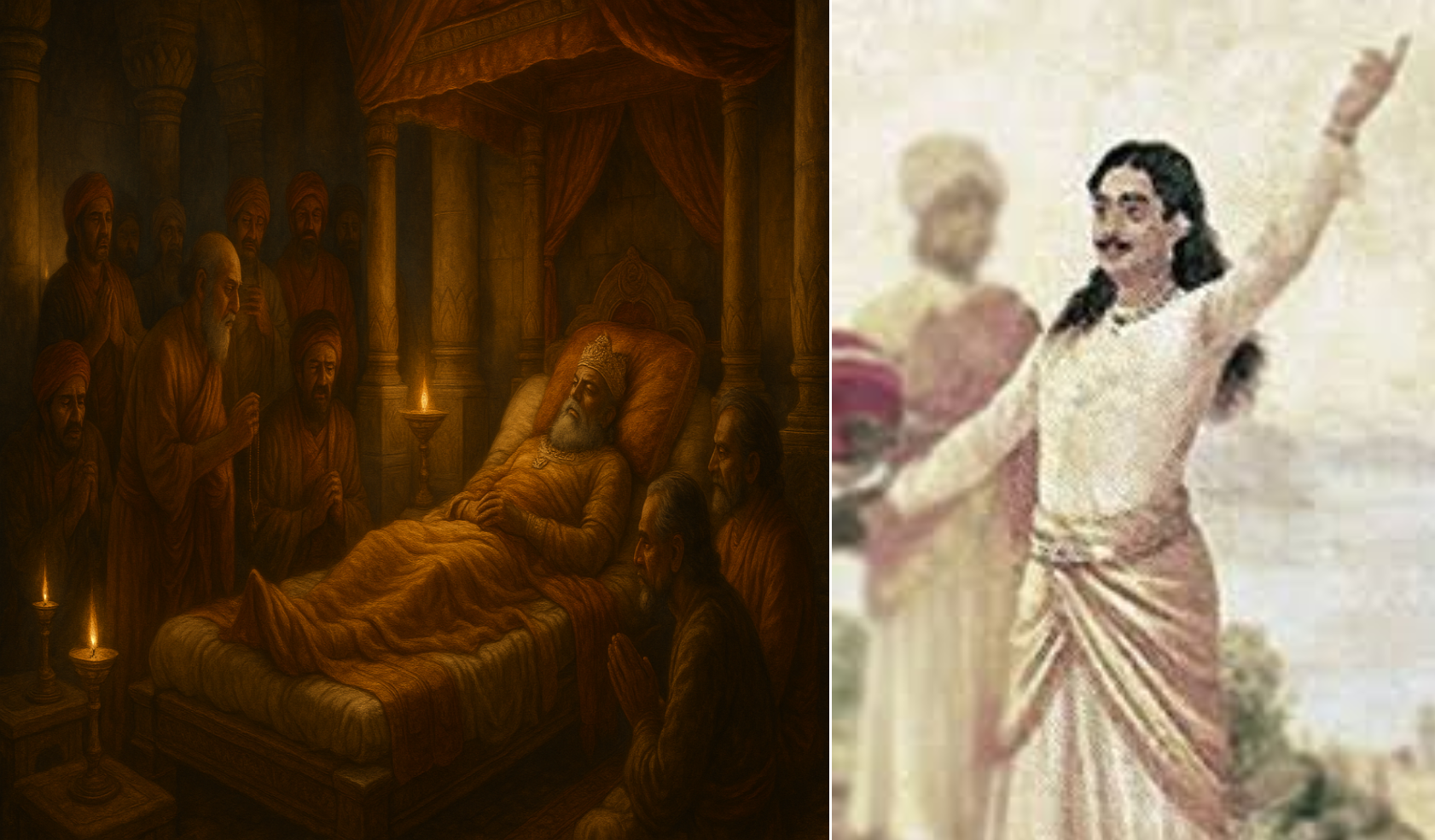
Mahapadma Nanda died in 329 BCE. He ruled for about 28 years, although some historical records claim that his reign lasted as long as 88 years. Mahapadma Nanda had eight sons, who ruled the empire for about 12 more years after his death.
The last ruler of the Nanda Dynasty was Dhana Nanda. During his reign, Alexander the Great invaded India. However, there was never a direct war between Alexander’s army and the Nanda Empire.
According to the Roman historian Curtius, Alexander learned that Dhana Nanda commanded an army far larger than his own. It is said that Dhana Nanda’s army consisted of around 200,000 infantry, 20,000 cavalry, 3,000 to 4,000 war elephants, and 2,000 chariots. This immense military strength was one of the main reasons Alexander decided to retreat from India.
Despite his great power, Dhana Nanda was extremely unpopular among his people. According to Greek historian Diodorus, King Porus had told Alexander that Dhana Nanda was a worthless man and that his people had no respect for him. This was mainly because Dhana Nanda was a ruthless tax collector, exploiting his subjects heavily — which made him a hated and unpopular ruler.
A few years later, Chandragupta Maurya, with the guidance of Chanakya (Kautilya), defeated Dhana Nanda, ended the Nanda Dynasty, and established the Mauryan Dynasty — giving rise to India’s greatest and most powerful empire: the Mauryan Empire.
Comments
Good Information keep it up
Great work Lot of information about Nanda Empire and Mahapadma Nanda