Rise and Fall of Pulakesin II – The Greatest Emperor of the Chalukya Empire
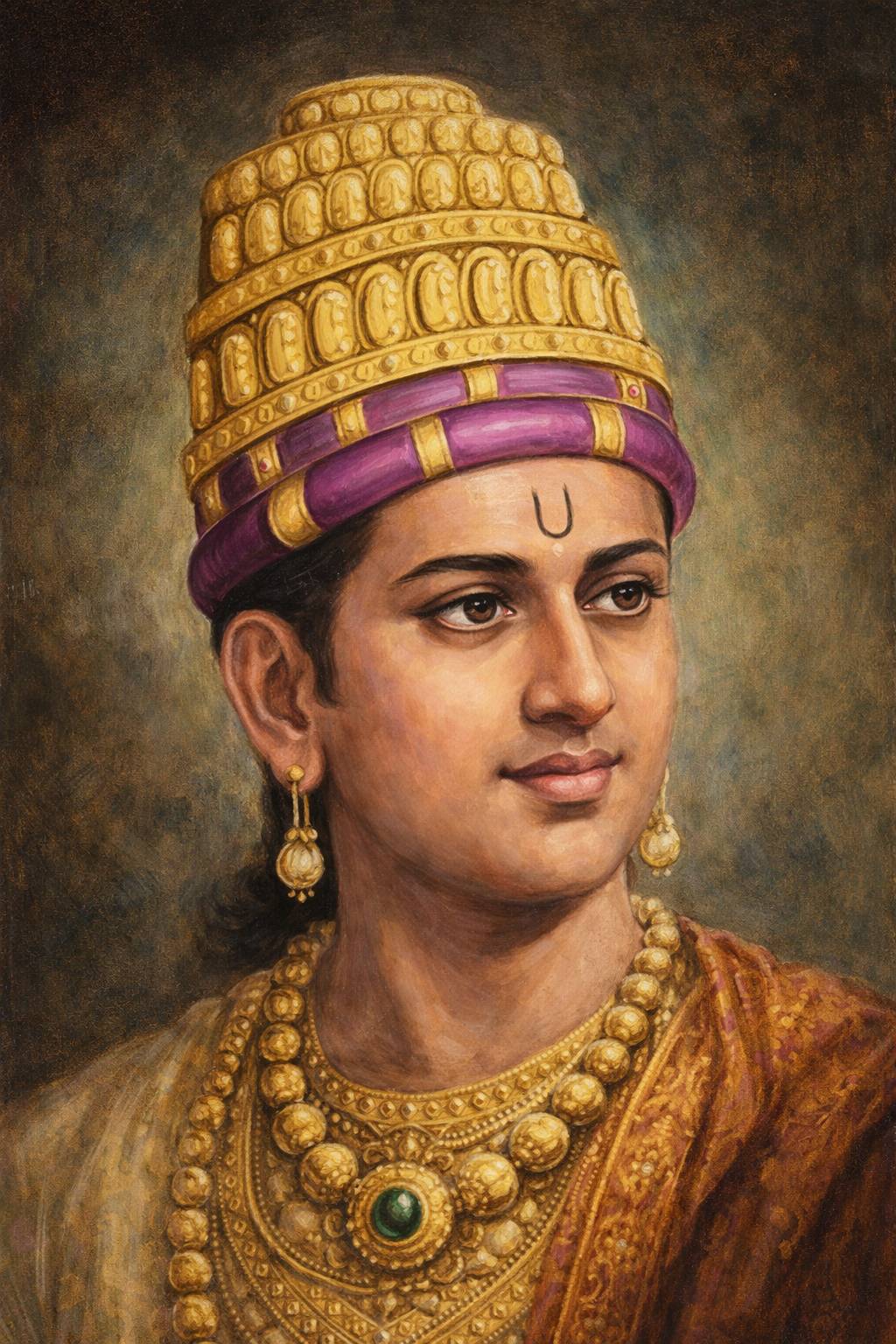
Pulakesin II stands as one of the most powerful and celebrated rulers of the Early Chalukya dynasty.
His reign transformed the political landscape of the Deccan and marked a golden age of military
strength, cultural development, and imperial ambition
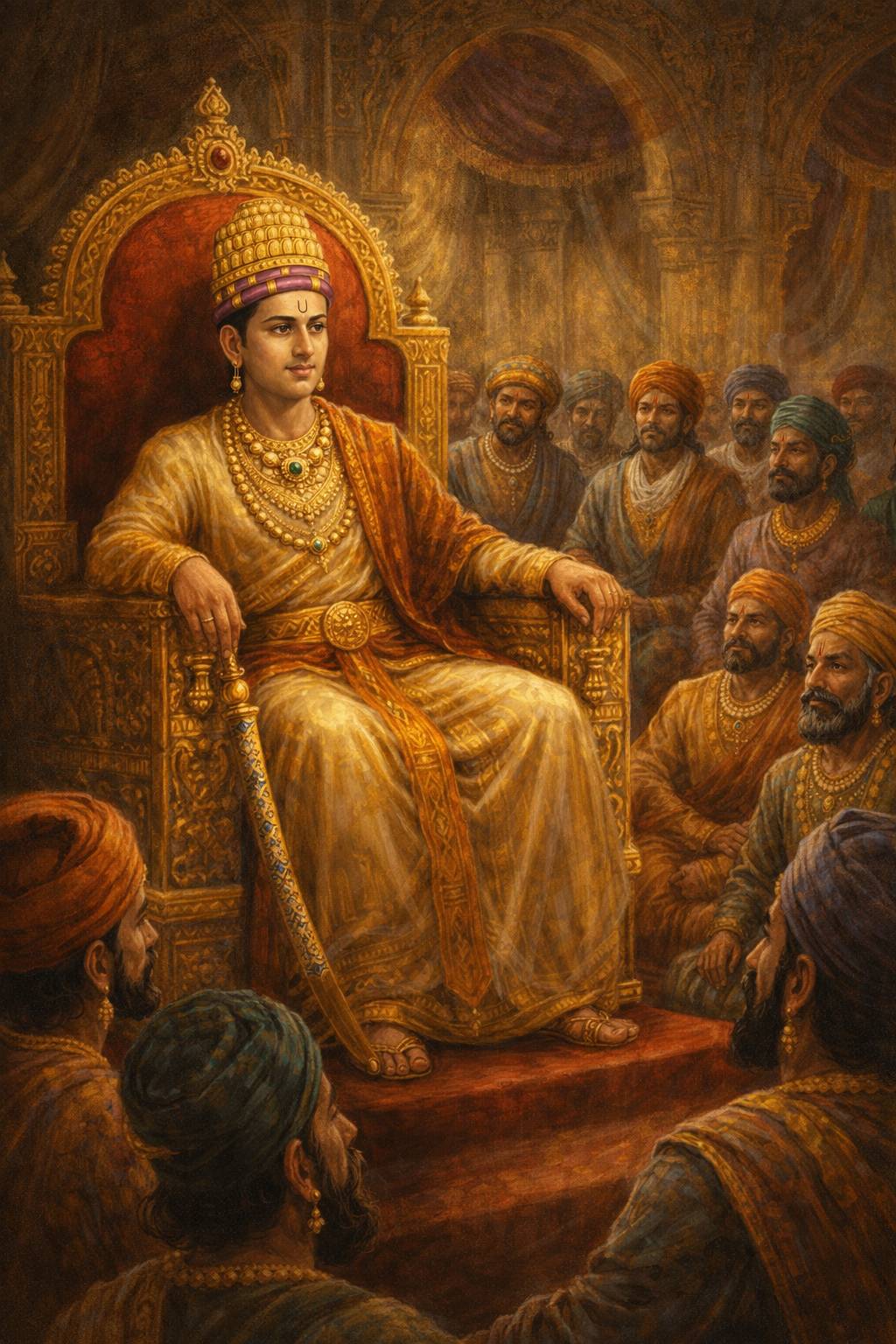
Pulakesin II stands as one of the most powerful and celebrated rulers of the Early Chalukya dynasty, whose reign transformed the political landscape of the Deccan. His journey to the throne was far from simple. As the rightful son of Kirtivarman I, he was expected to inherit the kingdom, but after his father’s death, his uncle Mangalesa assumed control as regent. Over time, Mangalesa’s ambitions grew, and he attempted to secure the throne for his own son, directly challenging Pulakesin’s legitimate claim. This led to a fierce civil war, in which Pulakesin II emerged victorious, killing Mangalesa and reclaiming his rightful throne. This early struggle not only secured his position but also shaped him into a determined and capable ruler, laying the foundation for one of the most remarkable reigns in early medieval Indian history
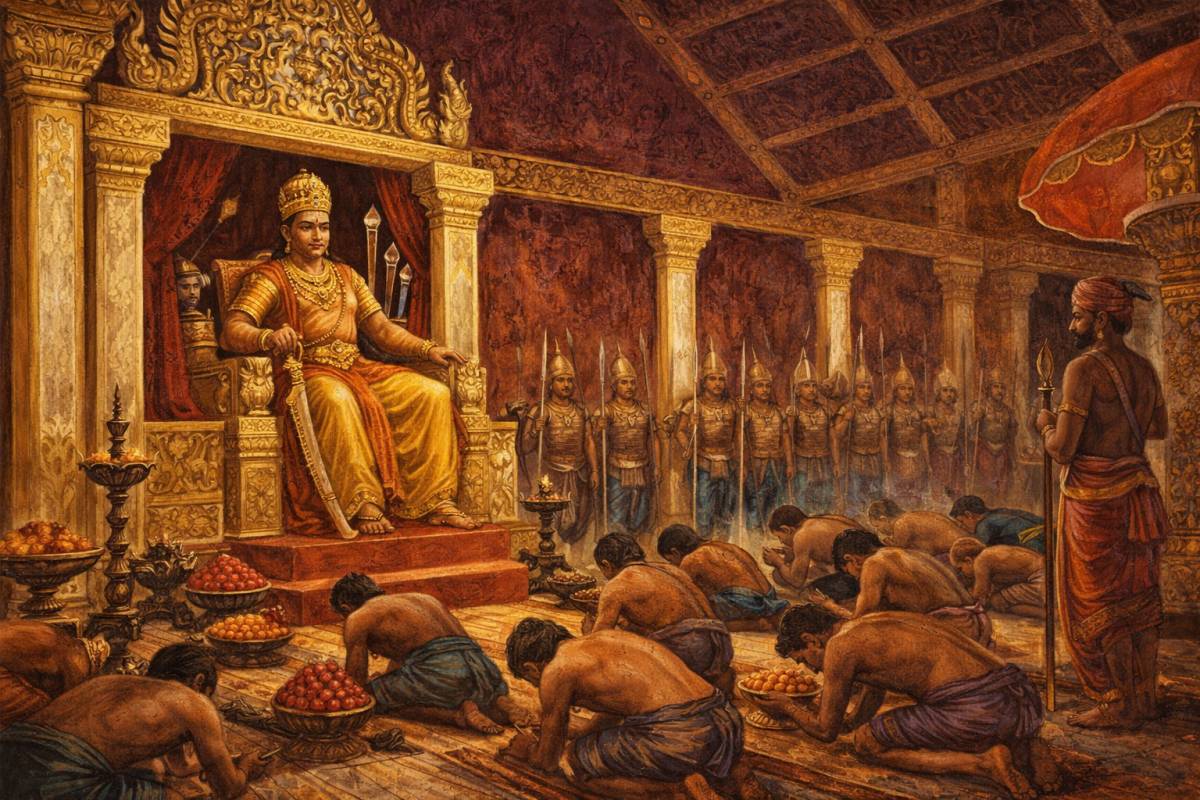
Once in power, Pulakesin II adopted grand imperial titles such as Satyashraya, Maharajadhiraja, and Parameshvara, reflecting his authority and growing dominance. His fame spread beyond India, with the Chinese traveler Xuanzang referring to him as a powerful Kshatriya ruler, while Persian sources recorded him as a significant monarch of the Deccan. Despite adopting titles associated with Shaivism, Pulakesin II followed a policy of religious tolerance. He patronized both Shaivism and Vaishnavism, while also supporting Jainism and Buddhism. This inclusive approach reflected the broader cultural harmony of the Chalukya period, where multiple religious traditions coexisted under royal patronage.
However, his accession did not bring immediate stability. The kingdom was shaken by internal revolts and political unrest following the civil war. Pulakesin II faced challenges from rebellious chiefs like Appayika and Govinda. Demonstrating both military strength and diplomatic intelligence, he skillfully divided his enemies, defeating one while turning the other into an ally. Through such strategic actions, he restored order, strengthened central authority, and secured his position as the undisputed ruler of the Chalukya kingdom.
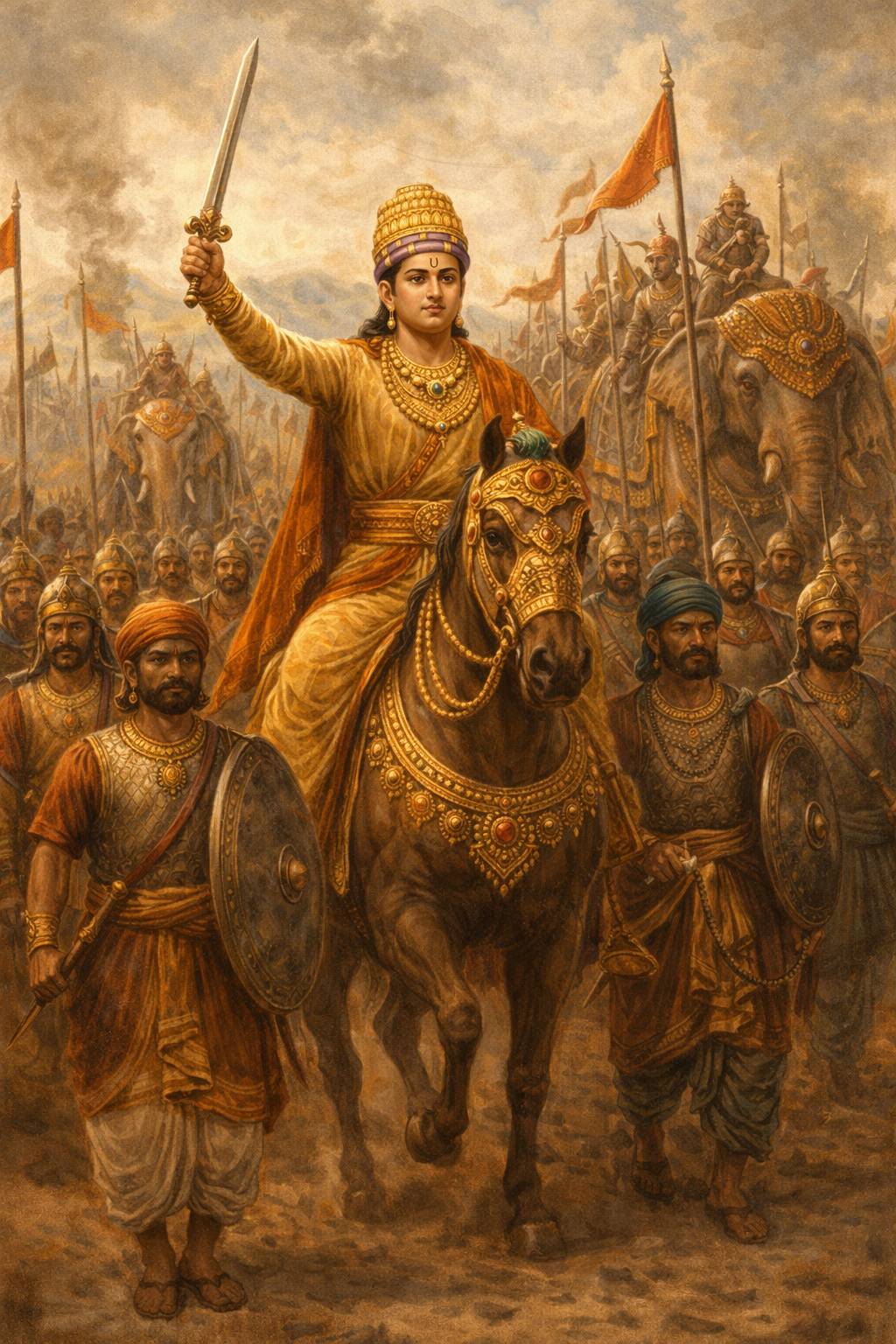
With internal stability achieved, Pulakesin II launched a series of military campaigns that expanded his empire across the Deccan. He defeated the Kadambas of Banavasi, annexed their territory, and redistributed it among loyal allies. He secured the submission of the Western Ganga dynasty through both power and diplomacy, even forming matrimonial alliances to strengthen ties. His campaign against the Mauryas of Konkan further established Chalukya dominance along the western coast, ensuring control over important trade routes. These early victories transformed him into the paramount ruler of the western Deccan and set the stage for even greater achievements.
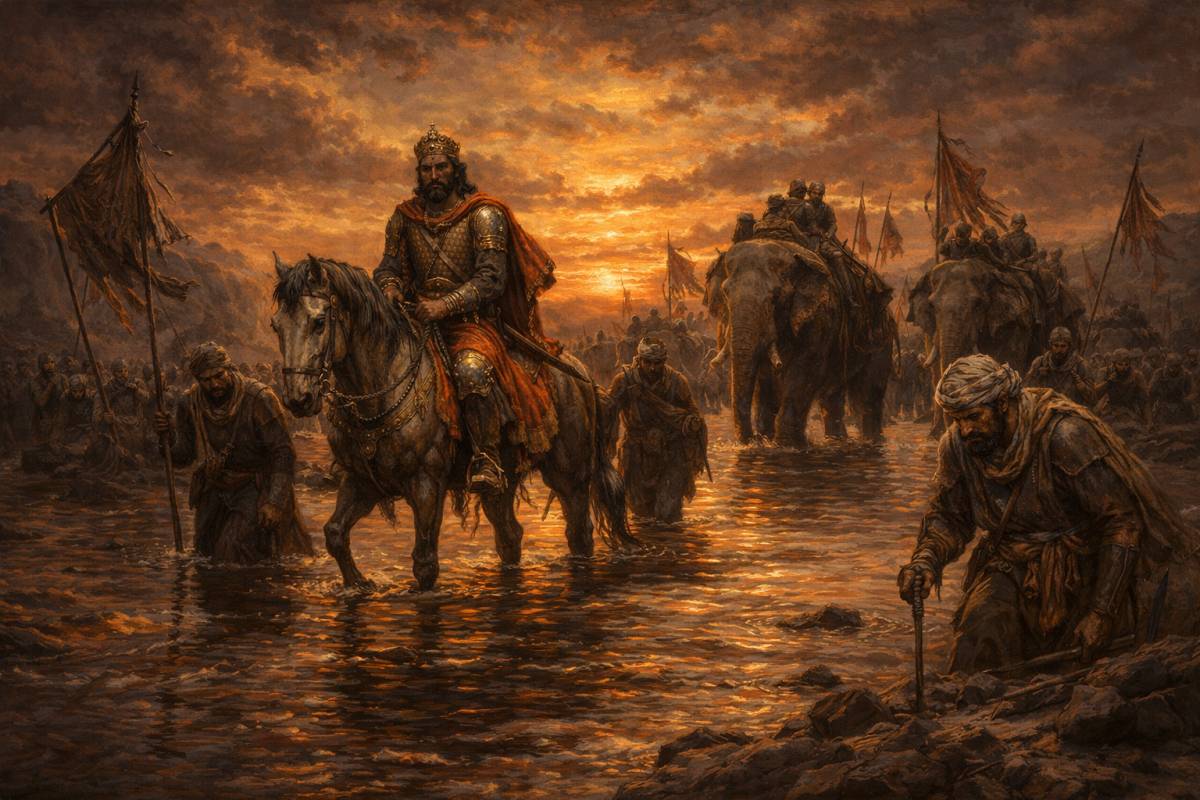
One of the most defining moments of his reign came with his confrontation against the powerful North Indian emperor Harshavardhana. The two rulers clashed near the Narmada River, which acted as a natural boundary between North and South India. In a historic victory, Pulakesin II successfully repelled Harsha’s advance, preventing northern domination over the Deccan. This triumph elevated his status immensely, leading him to adopt the title Parameshvara. The Narmada thereafter became a symbolic political divide between the northern and southern powers, marking Pulakesin II as the supreme ruler of the Deccan.
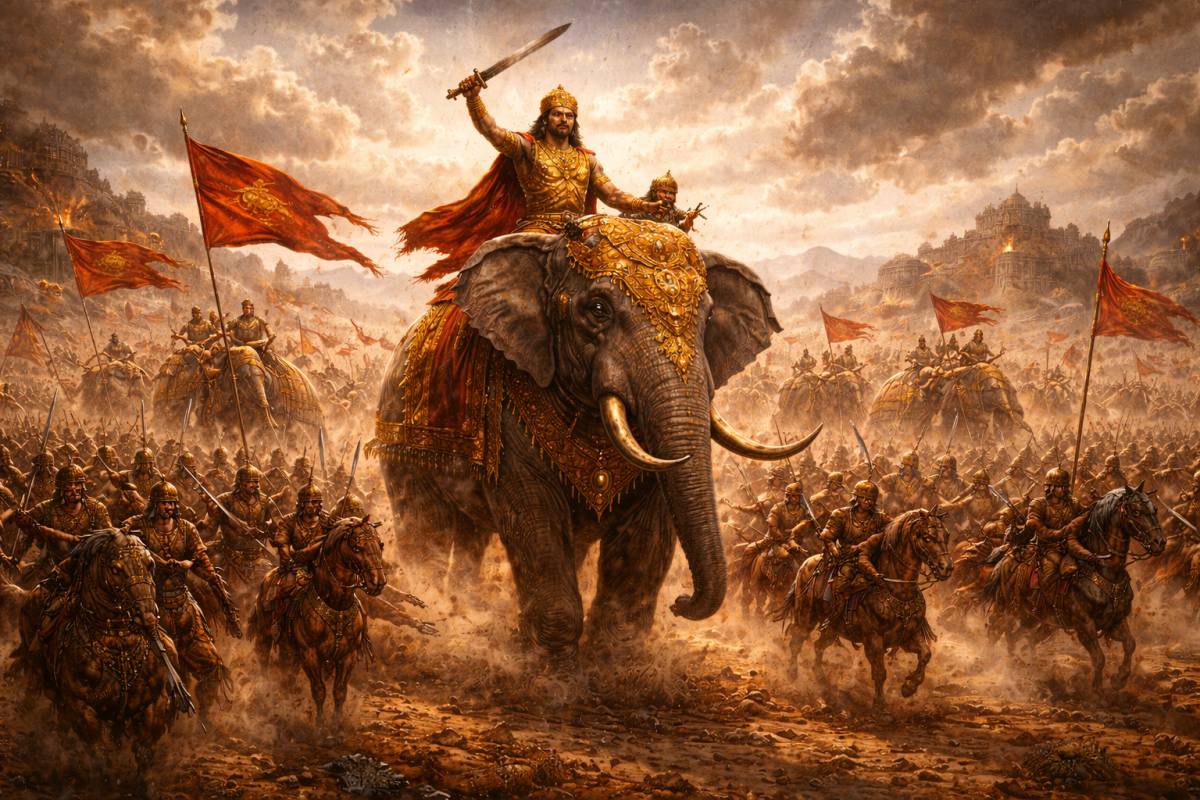
Following this victory, Pulakesin II expanded further into the eastern Deccan, securing regions such as Kosala, Kalinga, and Vengi. Many of these territories submitted without significant resistance, reflecting his growing reputation. Rather than directly annexing all regions, he often governed through loyal feudatories, demonstrating a practical and efficient administrative strategy. His empire soon stretched from the Arabian Sea to the Bay of Bengal, making him one of the most powerful rulers of peninsular India.
At the height of his power, Pulakesin II also gained international recognition. Diplomatic relations with the Persian ruler Khosrow II indicate that the Chalukya Empire was part of wider global networks. Xuanzang’s accounts describe Maharashtra as a prosperous and well-organized region, with fertile lands, strong military traditions, and a disciplined society. He praised Pulakesin II as a powerful and respected ruler whose authority was unquestioned by his subjects and feared by his enemies.
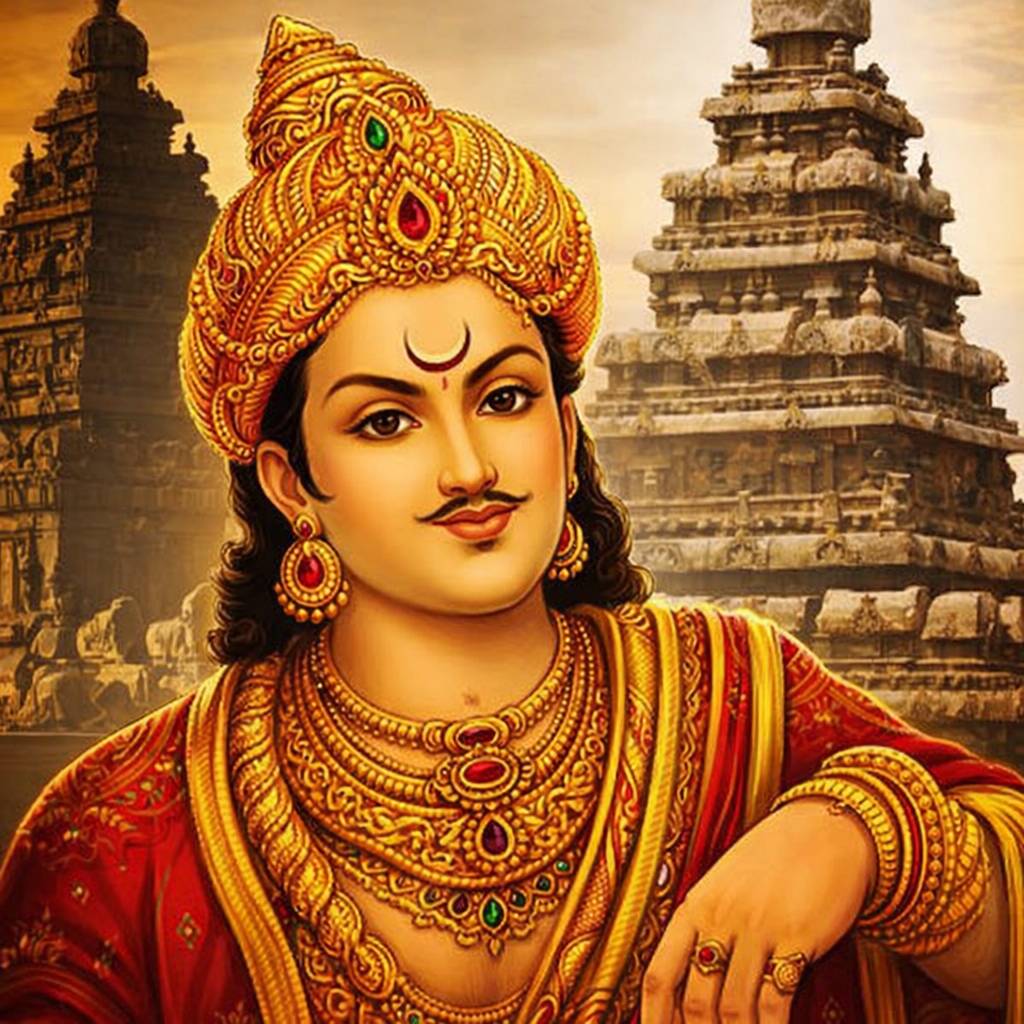
Despite his immense success, Pulakesin II’s reign eventually faced a dramatic downfall. His long-standing rivalry with the Pallavas of Kanchipuram reignited under Narasimhavarman I, who was determined to avenge earlier defeats. After a series of intense battles, the Pallavas launched a powerful counteroffensive. Pulakesin II’s forces were gradually weakened, and eventually, the Pallava army invaded and captured Vatapi, the Chalukya capital. The city was sacked and burned, and Pulakesin II is believed to have died in battle around 642–43 CE.
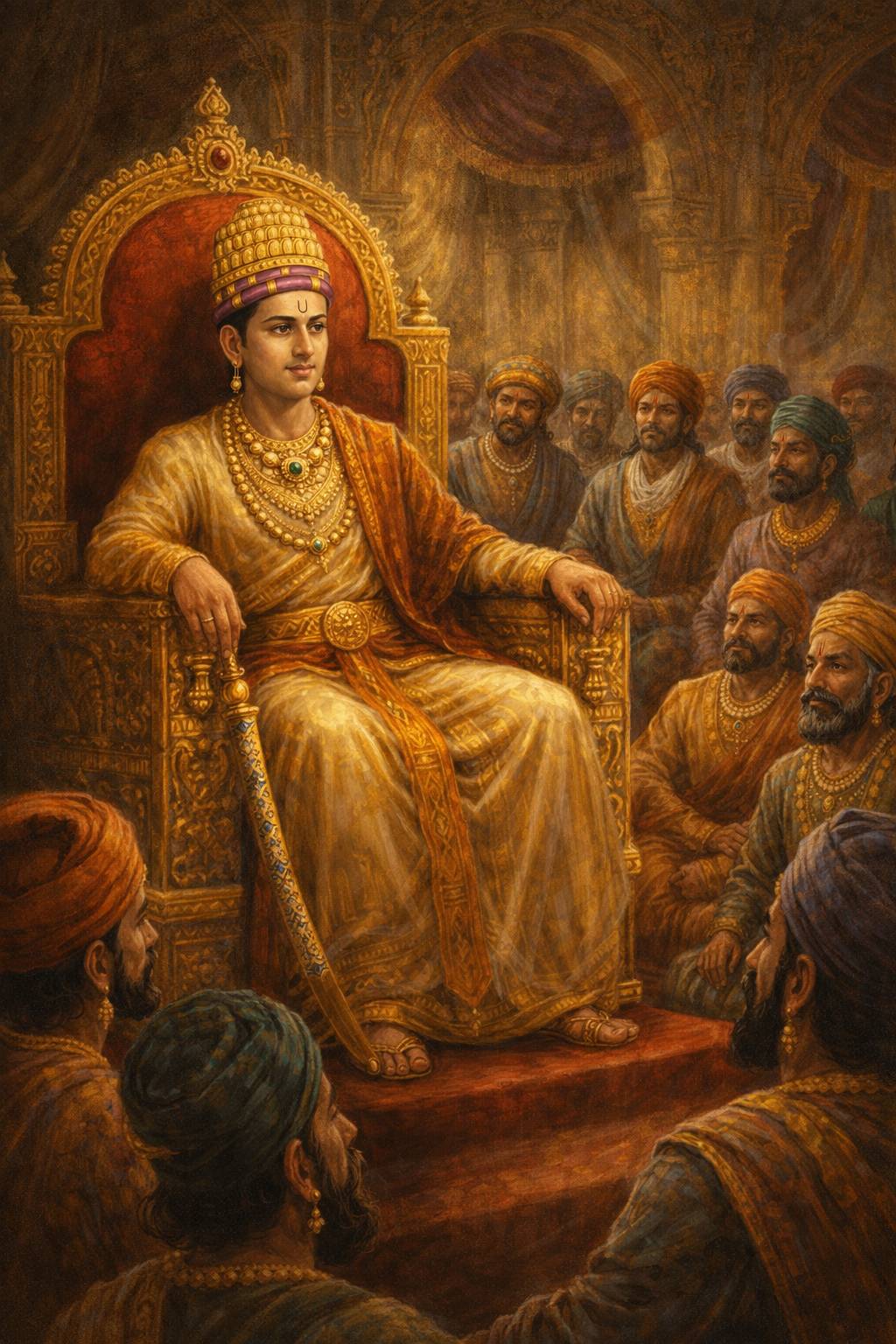
The fall of Pulakesin II was sudden and tragic, especially considering the vast empire he had built. From a ruler who defeated Harshavardhana and controlled nearly all of the Deccan, he fell to one of his greatest rivals. Yet, his legacy endured. He remains the greatest ruler of the Early Chalukyas, remembered as a warrior-king, empire-builder, and one of the most influential monarchs of early medieval India. His life is a powerful story of ambition, resilience, glory, and eventual downfall—a true historical epic that continues to inspire.
Comments
No comments yet. Be the first to comment!